


The UK has always had its share of invasive species be it flora or fauna. Some like the grey squirrel and Himalayan balsam are well know but due to its greater frequency there is increasing concern for two weed grasses often hidden in a range of plants sown in bird food mixes so they often go un-noticed.
The grasses in question go by many different English names Barn Yard Grass (Echinochloa.spp. Generally Echinochloa crus-galli or Echinochloa frumentacea) and Bristle Grass (Setaria viridis).
Thought to generally come in continental supplies of such seeds as Millet or Sorghum. They are both annuals with prolific seed production. Selective control is possible in single species crops such as maize but thins get more complicated in multi species mixes

Barn Yard Grass
(Echinochloa.spp.)
This grass responds reasonably to a range of graminicides but the problems start when it occurs in bird food mixes along with other graminacious species such as millet and cereals where selective control is limited and may not have approval.

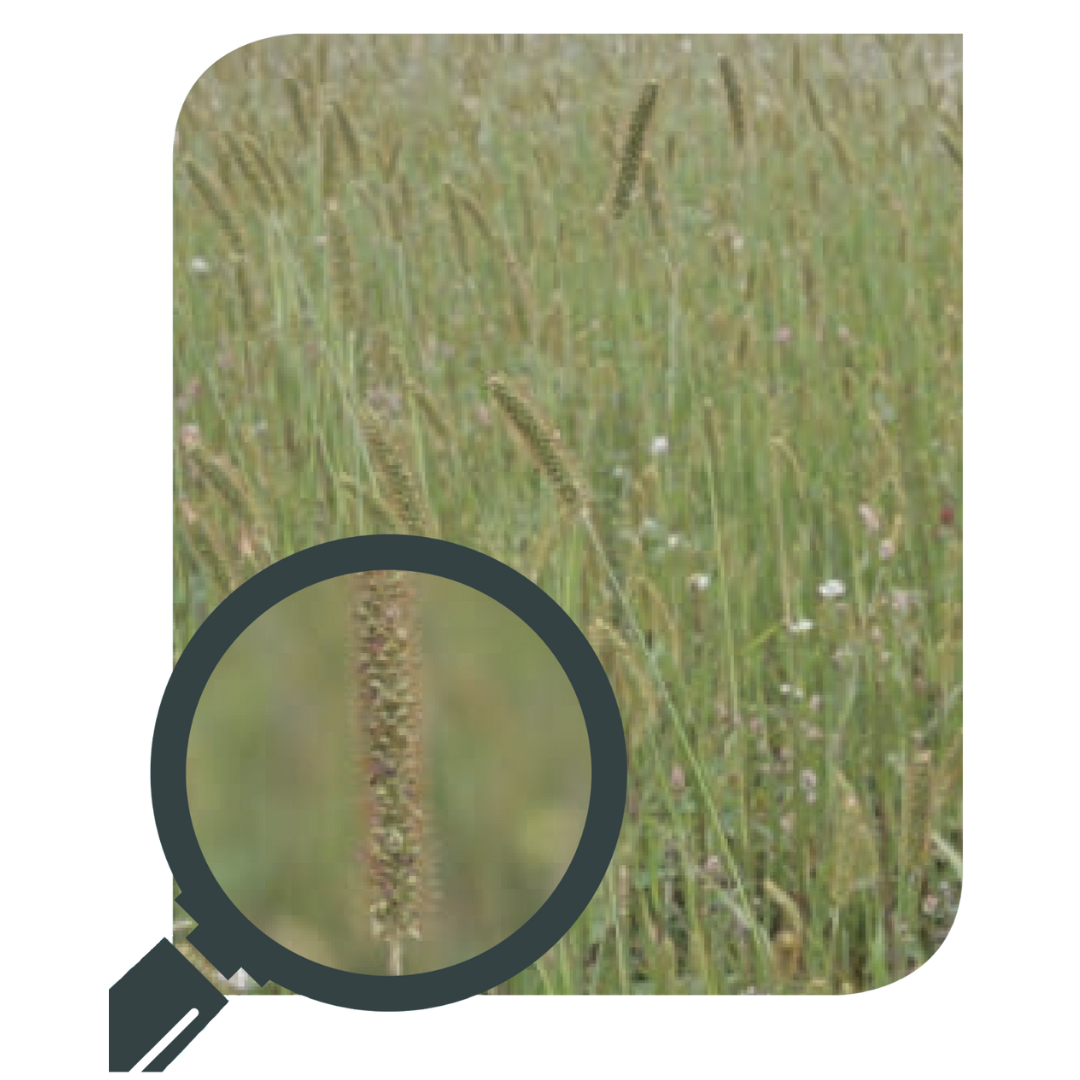
Bristle Grass
(Setaria viridis.)
Like Barn yard grass this also responds to a range of graminicides but problems start when it occurs in bird food mixes with other grass species such as millet and cereals where selective control is limited and may not have label approval.

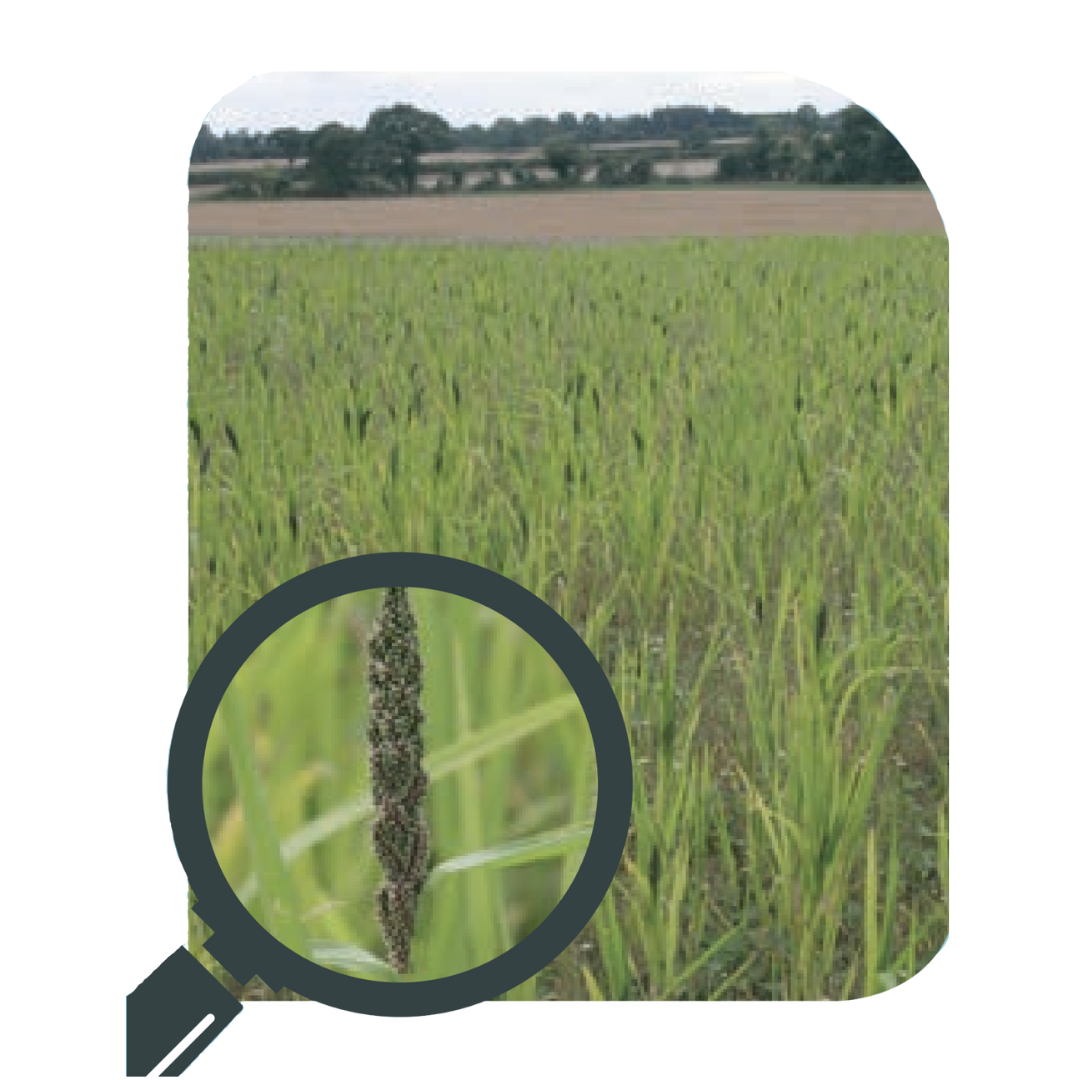
Young Dwarf Sorghum
Don’t be fooled...
Young Dwarf Sorghum, looks very similar to Barn Yard and Bristle Grass and is often added to mixes for food and cover.

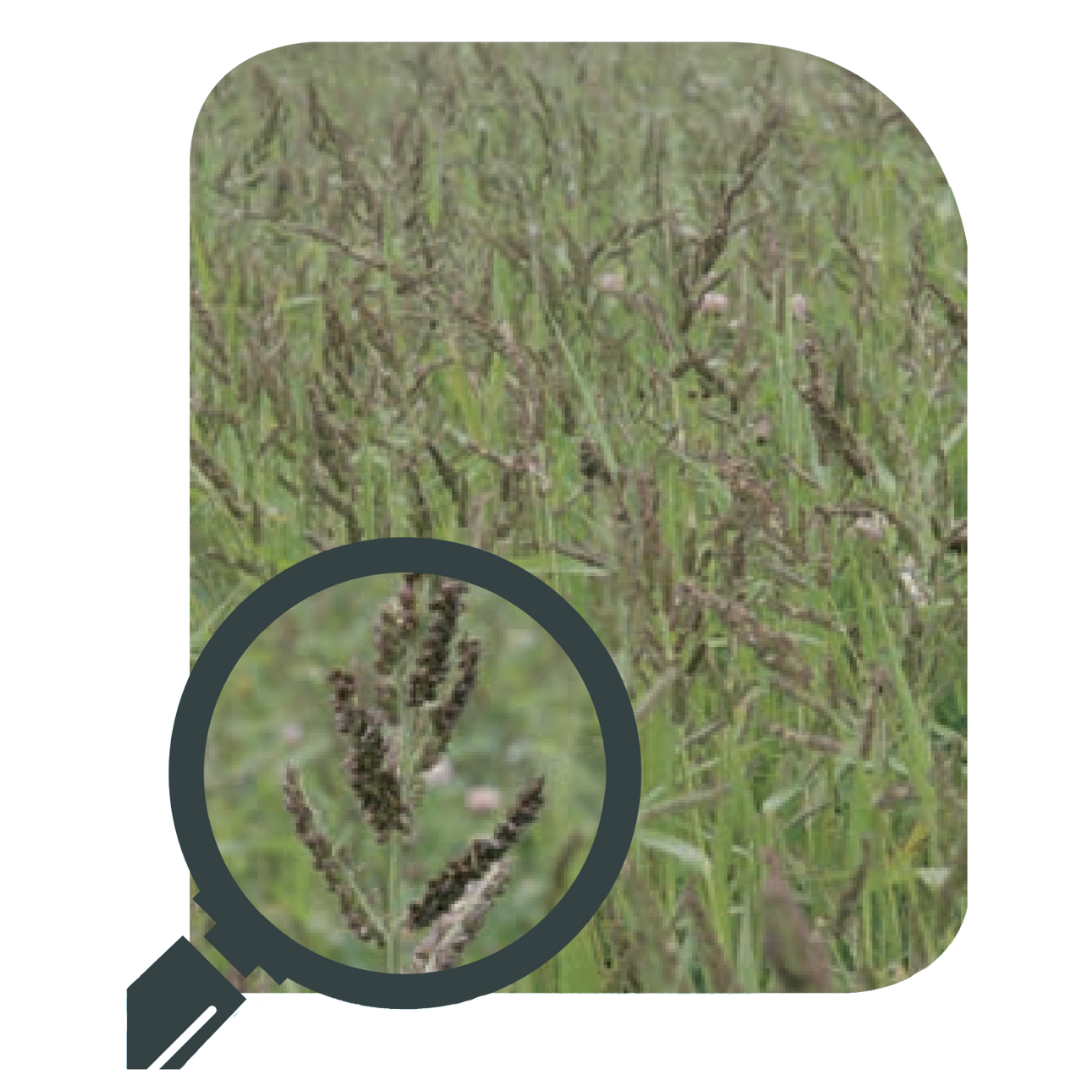
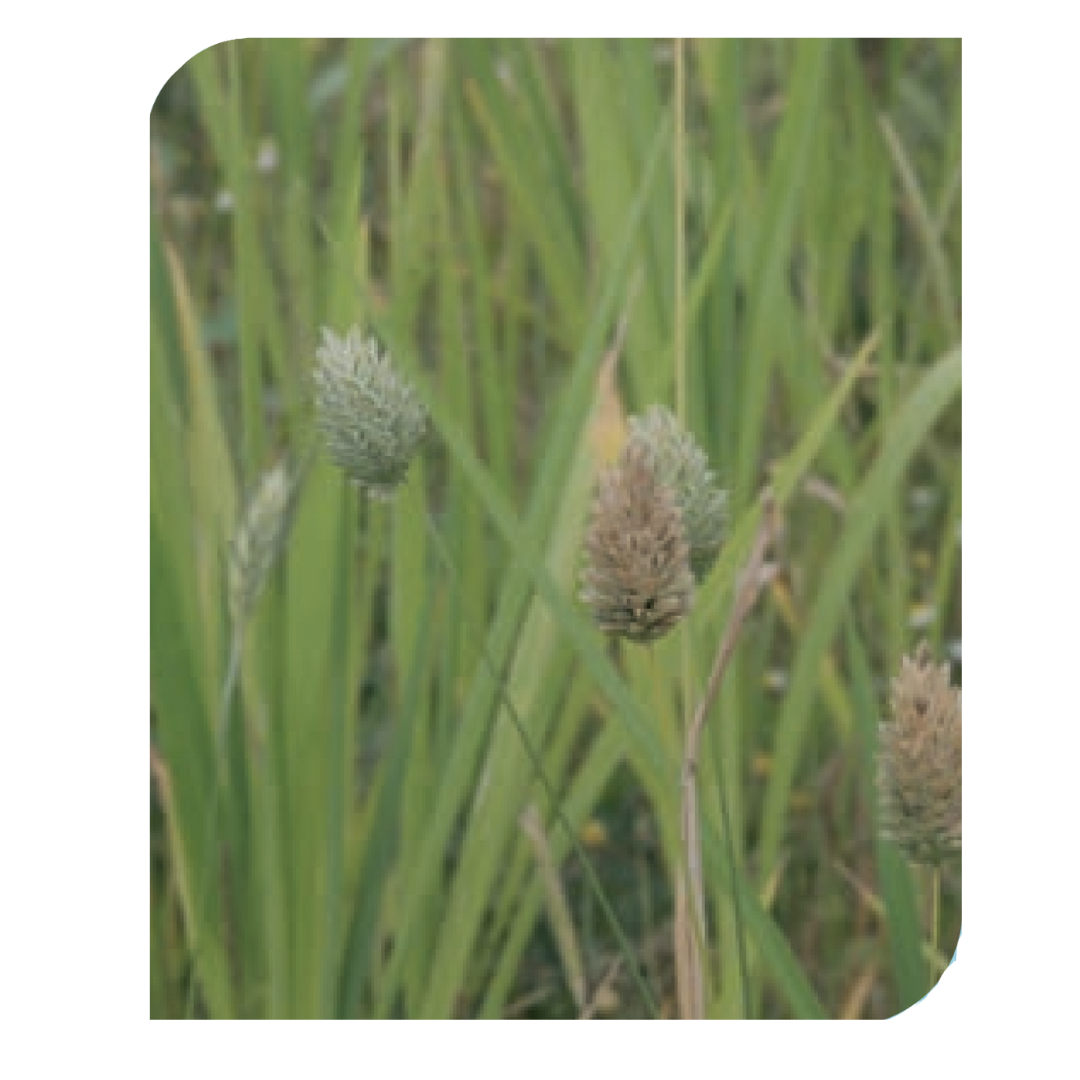
Canary Grass
A once popular and persistent grass sown in game cover mixes. It is seldom sown now but can still crop up unexpectedly.
Thoughts on control
Flower mixes
Annual grass weeds are easy to control in perennial flower or pollen and nectar mixes. Mow as often as necessary in the first year to reduce the seed set and competition from the annuals.
Bird food mixes
Cutting is not an option as it destroys the annual sown species. Bird food mixes contain a wide range of sown species making selective weed control difficult or impossible. A known weed problem may allow species to be selected that are tolerant to a specific herbicide. Some weeds provide seeds for birds but best if not at the expense of the sown species.
Herbicides are a management tool and have a place but agreements and product labels must be followed. Weeds build up after a few years of sowing in the same place and eventually the site needs to be returned to cropping to be “cleaned up”.
Herbicides
The following does not represent any form of recommendation but may point to products worth investigating. Stewardship agreements require a minimum number of visible sown species and a derogation prior to treatment and product labels need to be followed at all times.
The following products may offer a degree of selective grass weed control with some sown species survival depending on the sown species.
- Cereal based Oskar, Atlantis.
- Maize based Calaris, Calisto, Dual Gold, Maister, Sampson Extra.
- Mixes containing cereals, Millet, Kale and Sorghum
Some damage may occur to some species but the following are worth checking: - Crystal Cereals, Millet, Sorghum, Kale some damage.
- Smelter/Dual Gold Kale ok. Cereals and Sorghum some damage. Millet is killed.
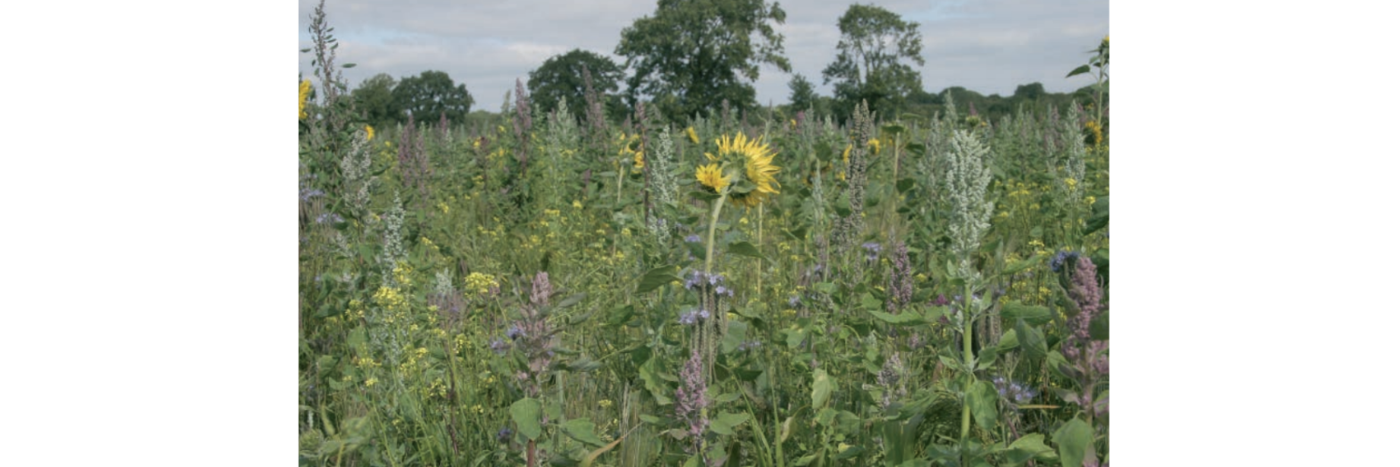
A clean multi species bird food mix. Repeated sowing in the same place builds up weed problems.

Stay on top of schemes, compliance and new income opportunities
Environmental policy is moving quickly. Scheme detail shifts, new options come forward, and requirements change through the season. Keeping up can be time-consuming, and it’s easy to miss something important.
Our Environmental Services newsletter is there to keep things clear and relevant to your farm.
You’ll receive straightforward updates on scheme changes, what actions are worth considering, and where there may be opportunities to bring in additional income. We also highlight the compliance points that matter, so you can plan ahead and avoid issues later on.
The focus is practical. What’s working, what to watch, and what it means for your own rotation and business.
What you’ll get
- Timely updates on SFI and other environmental schemes
- Practical guidance on making options work on farm
- Insight into income opportunities and how they can fit together
- Clear reminders around compliance and key deadlines
- Advice shaped by what’s being seen across farms and applications
Join Our Community

Agrii X
We love engaging with clients and partners. Give us a follow and let's share stories for the community.

Agrii Instagram
A picture paints a thousand words. Follow us on Instagram to see what we are up to.

Agrii Facebook
Follow us on the worlds biggest social media site for the latest news and events straight to your feed.

Agrii LinkedIn
If you are all about the business, connect with us on LinkedIn to build your network
Stay In Touch

Journal Sign-Up
Receive email updates on topical news and information from around Agrii and UK Farming.

Listen To Our Podcasts
Listen to the Tramlines Podcast. Fortnightly chat about agriculture and trials with your host Tony Smith.

Agrii Insights
Read essential agri intelligence for profitable farming.

Find an Event
Join us for our upcoming events and tours.
Featured News

News - 25/09/26
Hybrid rye delivers strong yields through dry season
News - 15/09/26
Botrytis risk builds ahead of grape harvest
News - 14/09/26
Keep late blight protection in place as rain returns
News - 09/09/26
Post-Heatwave Nutrition Strategies for Stronger Autumn Crop Establishment
News - 02/09/26
Agrii and PI AgSciences extend partnership to bring new crop technologies to UK growers