


How to Identify, Assess and Manage Crop Pest and Disease Risk
Pests and diseases remain an important source of crop risk, with the potential to affect establishment, yield, quality and ultimately margin.
Effective management starts well before symptoms become obvious. Understanding the crop, field history, variety, weather conditions and likely periods of pest or disease pressure can all help growers and agronomists identify risk earlier and make more informed decisions about whether intervention is required.
In this guide, we look at some of the main pests and diseases affecting UK crops, how to recognise potential problems and how Integrated Pest Management (IPM) can help reduce risk.
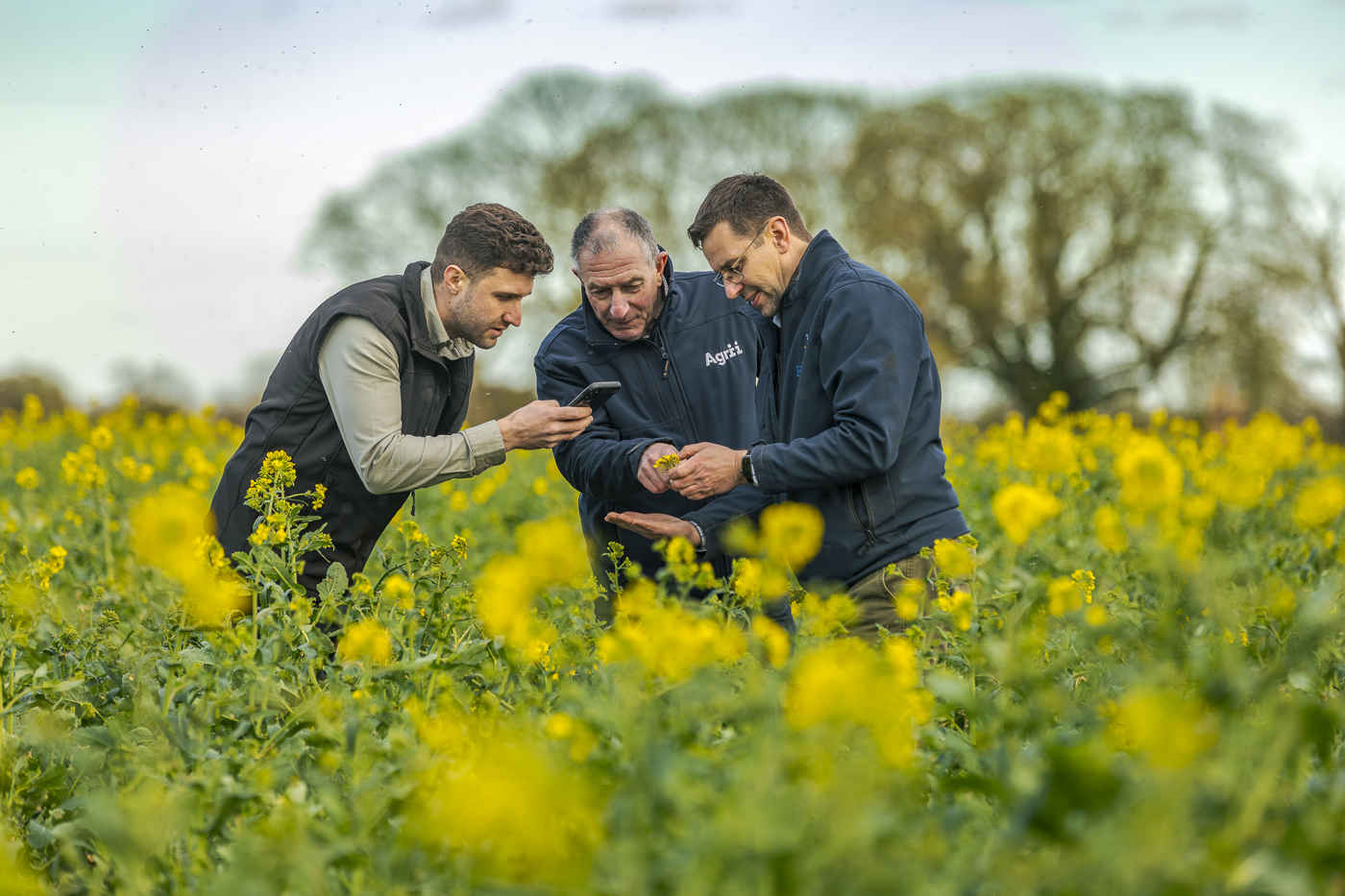
What is the difference between a crop pest and a crop disease?
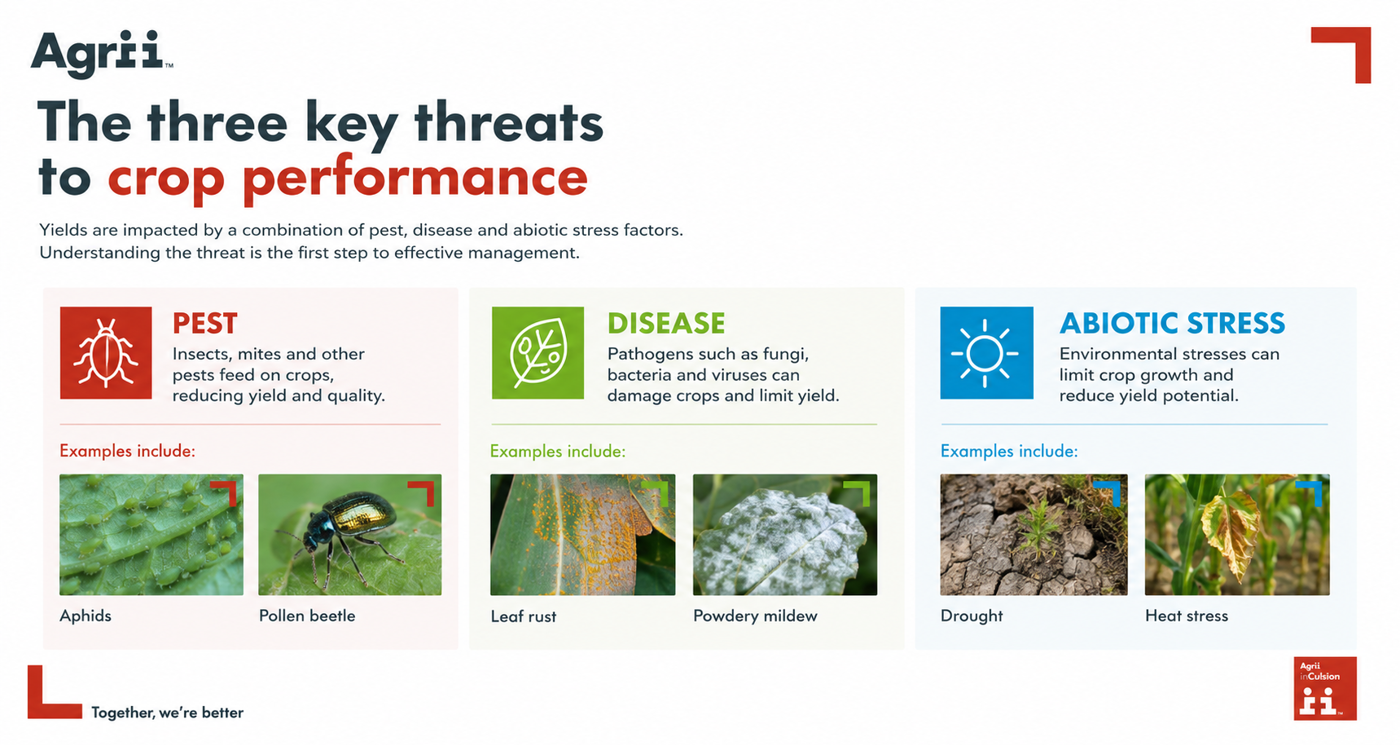
Pests and diseases can both reduce crop performance, but the distinction between them is important because monitoring and management strategies differ.
What is an agricultural pest?
In practical crop production, pests are organisms that damage the crop or reduce its economic value.
Important agricultural pests include:
- Insects and other invertebrates, such as aphids, cabbage stem flea beetle, wheat blossom midge, slugs and nematodes.
- Vertebrates, including pigeons, rabbits and rodents.
- Weeds, which compete with the crop for resources including light, water, nutrients and space.
Some pests also act as vectors of disease. Aphids, for example, can transmit viruses including Barley yellow dwarf virus (BYDV) in cereals and Turnip yellows virus (TuYV) in oilseed rape.
What is crop disease?
Crop disease occurs when a plant's normal growth or function is disrupted by a disease-causing organism.
Important groups of plant pathogens include:
- fungi;
- oomycetes;
- bacteria;
- viruses; and
- some nematodes.
Crops can also show symptoms caused by non-infectious factors such as nutrient deficiency, drought, waterlogging, frost, heat, soil structure or chemical damage. These are more accurately described as abiotic disorders or stresses rather than infectious disease.
Being able to distinguish between pest damage, disease and abiotic stress is important. Similar-looking symptoms can have very different causes and therefore require very different responses.
How to identify crop disease and pest damage in the field
Regular crop walking remains one of the most important tools for identifying developing problems.
An experienced grower or agronomist will consider not only the symptom itself, but where it is occurring, how it is distributed across the field, the crop growth stage, recent weather, variety susceptibility and previous field history.
Technology is increasingly able to support this process. Remote sensing, satellite imagery, drones, in-field sensors, forecasting tools and digital decision-support systems can help identify changes in crop development or areas of potential stress.
These technologies can help direct attention to areas that warrant closer investigation, but they do not remove the need for field assessment. Where the cause of a problem remains uncertain, laboratory analysis can provide valuable confirmation.
What should you look for when crop walking?
Scouting frequency should reflect the crop and current level of risk. During periods of rapid crop development or heightened pest and disease pressure, crops may need to be assessed more frequently.
Consider:
- crop growth stage;
- recent and forecast weather;
- variety resistance or susceptibility;
- sowing date;
- previous cropping and field history;
- local pest and disease pressure;
- previous treatments;
- presence of volunteers, weeds or other potential hosts; and
- relevant forecasting, trapping or monitoring information.
For insect pests, monitoring tools such as traps can also provide useful information about pest presence and activity. However, trap results should be interpreted alongside field observations, crop growth stage and recognised treatment thresholds where these exist.

Carrot rot control trial
Symptoms or signs: what is the difference?
It can be useful to distinguish between symptoms and signs when investigating a crop problem.
A symptom is the plant's response to damage or infection. Examples include:
- yellowing;
- stunting;
- wilting;
- leaf spotting;
- lesions;
- distorted growth; and
- premature senescence.
A sign is direct evidence of the pest or pathogen itself. Depending on the problem, this might include insects, eggs, larvae, cast skins, feeding damage, webbing, fungal growth or fruiting bodies.
The distribution of symptoms can also provide useful clues. Field edges, headlands, tramlines, low areas, soil-type changes and patches associated with previous cropping can all point towards possible causes. However, field pattern alone should not be used to diagnose a problem.
Where there is doubt, it is important to investigate further before deciding on management.
What should you do if you find a problem?
If unusual symptoms or pest damage are identified, establish the extent of the affected area and consider whether the problem is changing or spreading.
Useful next steps include:
- recording or mapping the affected area;
- taking clear photographs;
- checking several parts of the field rather than relying on one plant or patch;
- reviewing variety, cropping and application records;
- considering recent weather and soil conditions;
- checking current pest or disease monitoring information; and
- seeking further diagnosis where the cause remains uncertain.
Once the cause and level of risk have been established, the next step is to decide whether action is justified and, if so, which combination of cultural, biological, physical or chemical measures is most appropriate.
Common crop pests affecting UK production
The importance of individual pests varies considerably by crop, region and season. Weather, drilling date, crop growth stage and local pest populations can all influence risk.
Aphids
Aphids are important pests of several UK crops, both because of direct feeding and their ability to transmit viruses.
In winter cereals, bird cherry-oat aphid and grain aphid are important vectors of BYDV. The main period of virus transmission is during the autumn, when aphids migrate into emerging cereal crops.
Risk is influenced by factors including drilling date, temperature, aphid numbers and the proportion of aphids carrying virus. Decision-support tools can help growers and agronomists assess that risk rather than relying on calendar-based treatments.
Later in the season, grain aphids can also cause direct feeding damage as populations build on the upper leaves and ears during grain filling.
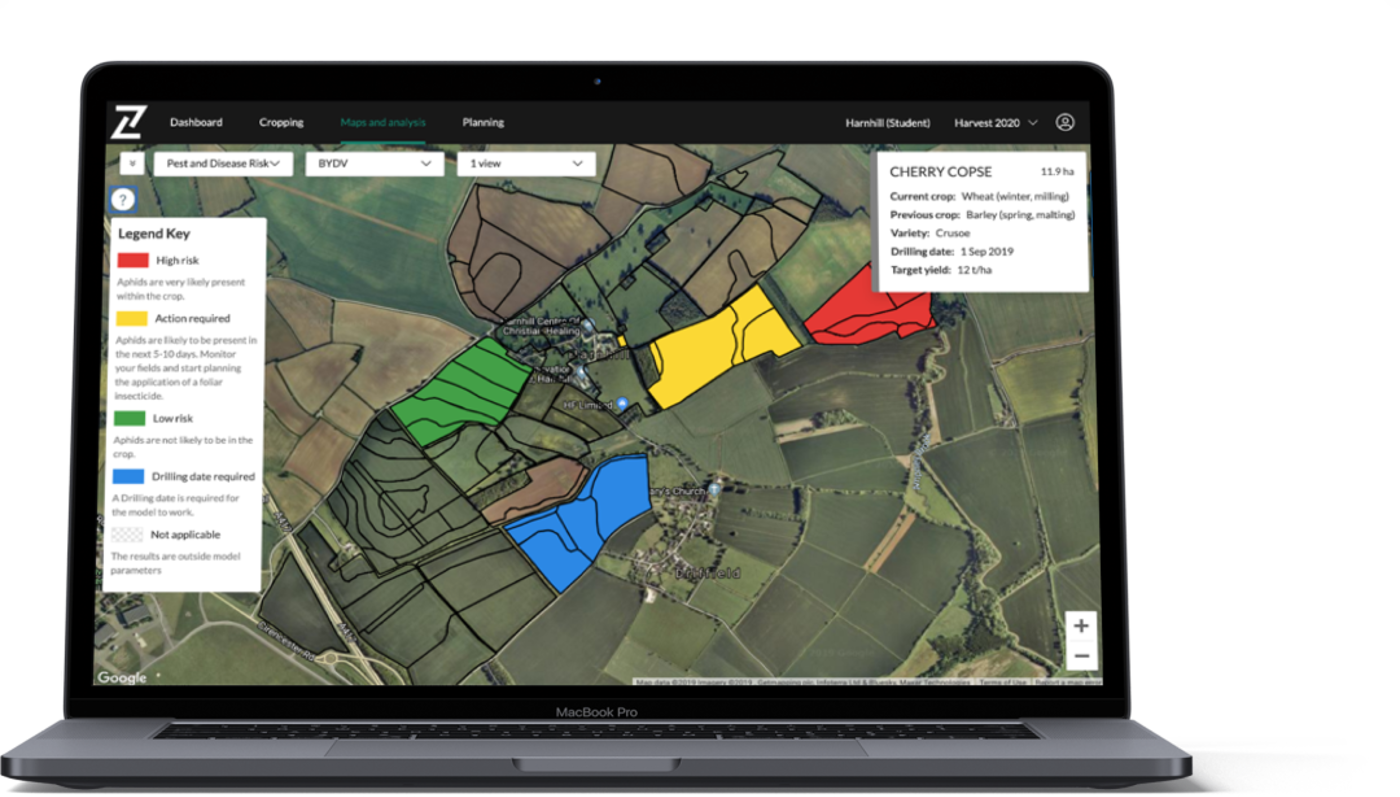
BYDV Monitoring
Cabbage stem flea beetle
Cabbage stem flea beetle remains an important establishment risk in oilseed rape.
Adult beetles can cause characteristic shot-holing in cotyledons and young leaves, while larvae develop within leaf petioles and stems during autumn and winter.
The level of risk varies considerably between seasons and locations, which makes establishment conditions, crop growth and regular monitoring important parts of management.
Wheat blossom midge
Orange wheat blossom midge can damage developing wheat grain when adult emergence coincides with susceptible crop growth stages.
Crops are particularly vulnerable around ear emergence, so monitoring needs to be concentrated into the relatively short period when the crop and pest are both at the correct stage.
Where appropriate, pheromone traps and crop inspection can help determine whether recognised treatment thresholds have been reached.
Slugs
Slugs are another important establishment pest, particularly where seedbeds are cloddy, crop residues remain on the surface or conditions stay damp.
Oilseed rape and newly emerging cereals can be particularly vulnerable. Risk assessment before drilling, trapping and checking crop emergence can help identify where management is needed.
Vertebrate pests
Birds and mammals can also cause significant losses.
Pigeons, for example, can cause substantial grazing damage in oilseed rape and some pulse or vegetable crops. Rabbits can damage field margins and young crops, while rodents are an important consideration around grain stores.
Management must take account of the species involved and the legislation governing its control.

8 point plan for CSFB Management
Learn MoreWeed competition as part of crop risk management
Weeds compete with crops for light, water, nutrients and space and can affect both yield and harvestability.
Black-grass remains one of the most significant grassweed challenges in UK arable production, particularly where populations have developed resistance to herbicides.
Other economically important weeds include Italian ryegrass, wild oats, bromes and broad-leaved species such as chickweed, cranesbill, poppy and mayweed, depending on the rotation and region.
As with pest and disease management, an integrated approach is important. Rotation, cultivation, drilling date, competitive crops, seedbed management and appropriate herbicide use all have a role.
Understanding pest and disease risk periods
Pest and disease pressure is rarely constant throughout the season.
Instead, risk is shaped by the interaction between:
- the presence of the pest or pathogen;
- the susceptibility of the crop;
- crop growth stage;
- weather and microclimate; and
- previous management.
This creates periods during which a crop may be particularly vulnerable.
For example, the principal BYDV risk period in winter cereals is during autumn aphid activity following crop emergence. Orange wheat blossom midge risk is concentrated around ear emergence, while cabbage stem flea beetle adult damage is most important during oilseed rape establishment.
Disease risk also changes through the season. Understanding both crop growth stage and prevailing infection conditions helps determine when monitoring and, where justified, treatment are most valuable.
Common fungal and oomycete diseases
Fungi and oomycetes are responsible for many economically important crop diseases in the UK.
Examples include:
- Septoria tritici blotch and yellow rust in wheat;
- Ramularia and net blotch in barley;
- Phoma stem canker and light leaf spot in oilseed rape;
- late blight in potatoes; and
- Botrytis and powdery mildews across a range of horticultural crops.
Although the biology differs between pathogens, infection generally depends on three things coming together: a susceptible crop, the pathogen and environmental conditions that favour disease development.
How do fungal diseases spread?
Many fungal diseases produce spores that can spread by wind, rain splash, crop residues, seed, soil or infected plant material.
Once suitable spores reach a susceptible crop, temperature and leaf wetness or humidity often have an important influence on whether infection becomes established.
The pathogen may then colonise plant tissue before producing further spores, allowing secondary infection to occur within the crop.
Some pathogens survive between crops on volunteers, alternative hosts, seed, soil or infected crop debris. Understanding these sources of inoculum is an important part of reducing future risk.
Reducing fungal disease risk
Disease management should begin with risk reduction rather than relying on one method of control.
Depending on the crop and disease, this can include:
- selecting varieties with appropriate disease resistance;
- using rotations to reduce the carry-over of crop-specific pathogens;
- managing volunteers and alternative hosts;
- considering drilling date and crop development;
- maintaining balanced crop nutrition;
- using forecasting and monitoring tools where available;
- supporting crop architecture and airflow where relevant; and
- using fungicides appropriately when the level of risk justifies treatment.
Where fungicides are required, product choice, dose, timing, number of applications and mode of action all need to be considered as part of an effective resistance-management strategy.
Current product labels and relevant FRAC guidance should always be followed.
Bacterial diseases
Bacterial crop diseases occur less frequently than many fungal diseases in broadacre UK cropping but can be highly damaging in susceptible crops.
Management is often strongly focused on prevention because curative options can be limited.
Depending on the disease and crop, measures can include:
- using healthy or certified planting material;
- selecting resistant or less susceptible varieties where available;
- maintaining suitable rotations;
- field and equipment hygiene;
- managing volunteers and alternative hosts;
- avoiding unnecessary damage to plants; and
- using only appropriately authorised plant protection products where justified.
Accurate diagnosis is particularly important because symptoms caused by bacterial infection can sometimes resemble those caused by fungal disease, nutrient stress or physical damage.
How pests and diseases reduce crop performance
Pests and diseases can affect crop performance in several ways.
Reducing green leaf area
Leaf diseases and feeding damage reduce the amount of healthy leaf area available to intercept light and support photosynthesis. Where damage affects important yield-forming leaves at critical growth stages, the effect on crop output can be significant.
Restricting water and nutrient movement
Some pathogens colonise vascular tissue or damage stems and roots, disrupting the movement of water and nutrients through the plant. The resulting symptoms can include stunting, premature senescence and wilting.
Damaging roots
Soil-borne pathogens, nematodes and invertebrate pests can reduce root function, limiting the plant's ability to access water and nutrients and making the crop less resilient to other stresses.
Damaging grain, fruit or marketable yield
Some pests and diseases directly affect the harvested part of the crop. This can reduce yield, grain size, quality, germination, marketability or storage performance.
Increasing crop stress
Even where infection or pest damage does not kill a plant, resources diverted into defence and recovery are no longer available for growth and yield formation.
Examples of important disease risks in UK crops
Potatoes
Late blight remains one of the most important diseases of potatoes in Great Britain.
Caused by the oomycete Phytophthora infestans, it can develop rapidly when suitable temperature and humidity coincide. Effective management combines reducing sources of inoculum, variety resistance where appropriate, disease-risk forecasting and correctly timed crop protection.
Winter wheat
Winter wheat is exposed to several important foliar diseases.
Septoria tritici blotch is a major yield-limiting disease, particularly in wet conditions, while yellow rust risk can vary substantially according to variety, pathogen population, crop development and season.
Variety resistance, drilling date, crop monitoring and weather all contribute to determining disease risk and the most appropriate management programme.
Oilseed rape
Important oilseed rape diseases include Phoma leaf spot and stem canker, light leaf spot, clubroot and Verticillium stem stripe.
Risk varies according to disease, rotation, variety, regional conditions and seasonal weather. Longer rotations, resistant varieties and appropriate monitoring all form part of the management approach.
Fruit and vegetable crops
Specialist horticultural crops can face a wide range of pathogens, often with disease pressure strongly influenced by canopy density, humidity, irrigation and protected or outdoor growing conditions.
Powdery mildews, Botrytis, downy mildews and a range of bacterial diseases can all be important depending on the crop.
Botrytis
How Integrated Pest Management supports crop protection
Integrated Pest Management, or IPM, brings together different methods of preventing, monitoring and managing pests, weeds and diseases.
Rather than relying on any single control measure, IPM considers the whole cropping system and uses the combination of approaches most appropriate to the level of risk.
A practical IPM programme typically includes:
- prevention and risk reduction;
- monitoring and accurate identification;
- assessment of whether action is required;
- selection of appropriate control measures;
- responsible use of plant protection products where necessary; and
- review and record keeping.
1. Prevention and risk reduction
Good IPM starts before a pest or disease becomes a problem.
Depending on the crop, this might involve:
- rotation;
- variety selection;
- drilling date;
- seedbed and cultivation strategy;
- management of volunteers and alternative hosts;
- balanced nutrition;
- crop hygiene; and
- encouraging beneficial organisms where appropriate.
The objective is not necessarily to eliminate risk, but to reduce the likelihood that pest or disease pressure reaches an economically damaging level.
2. Monitoring and identification
Crop walking, trapping, forecasting systems, remote sensing and other decision-support tools can all contribute to monitoring.
Accurate identification matters. Treating a symptom without understanding its cause risks unnecessary cost, poor control and avoidable selection pressure for resistance.
3. Deciding whether action is justified
The presence of a pest or pathogen does not automatically mean a treatment is required.
The decision should consider the level of pest or disease pressure, crop growth stage, likely development, weather, variety, yield potential, economic return and any established treatment thresholds or decision-support guidance.
This risk-based approach is central to effective IPM.
4. Combining control measures
Where action is required, cultural, biological, physical and chemical measures can all have a role.
The most appropriate combination will depend on the crop and target. In some situations cultural controls may provide the greatest benefit; in others a correctly timed plant protection product may be an important part of protecting crop potential.
The aim is to use each tool where it provides the greatest value while reducing unnecessary intervention and protecting the long-term effectiveness of available chemistry.
5. Evaluation and record keeping
Reviewing what worked is an important but sometimes overlooked part of IPM.
Records of pest and disease pressure, field history, treatments, cropping, weather and outcomes can help inform future variety, rotational and crop protection decisions.
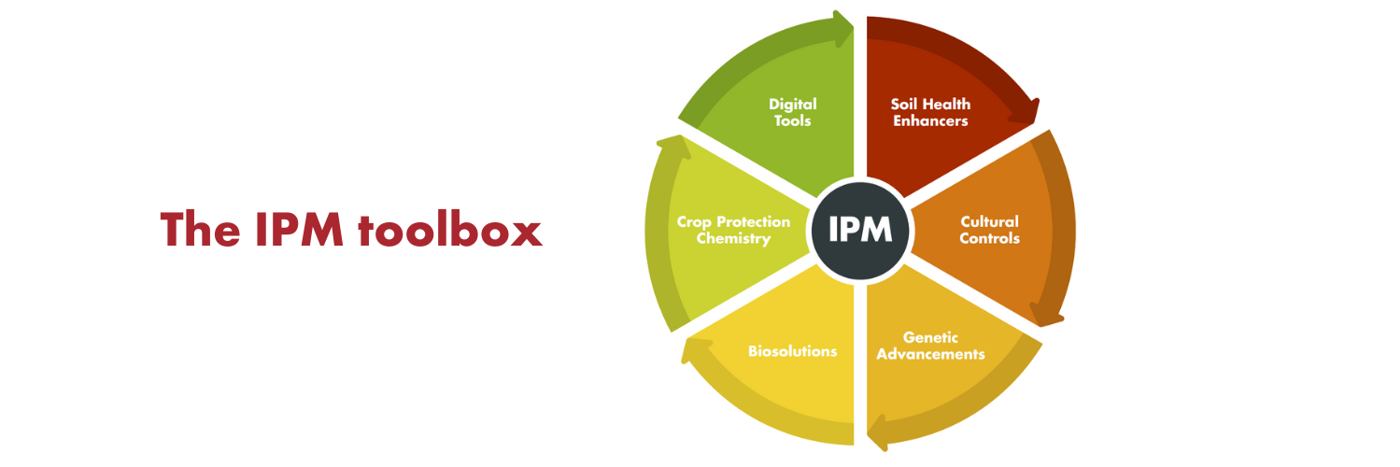
An Integrated Approach to Pest Management
Resistance management and stewardship
Resistance develops when repeated selection pressure allows less-sensitive individuals within a pest or pathogen population to survive and reproduce.
IPM helps reduce that pressure by combining multiple approaches rather than depending too heavily on a single pesticide or mode of action.
Where plant protection products are required, resistance-management principles can include:
- using treatments only where justified;
- selecting effective products for the target;
- following label requirements and resistance-management guidance;
- avoiding repeated reliance on the same mode of action;
- using appropriate alternations, sequences or mixtures where recommended;
- applying products at the correct timing and dose; and
- integrating chemical control with non-chemical measures.
How should fungicide resistance be managed?
Fungicide resistance strategies vary according to the pathogen and fungicide group, so there is no single rule that applies to every programme.
FRAC guidance commonly includes limiting the number of applications from particular mode-of-action groups and using appropriate alternation or mixtures with effective, non-cross-resistant partners.
Product-specific labels and current FRAC or UK resistance guidance should therefore be used when building fungicide programmes.
How should insecticide resistance be managed?
For insecticides, IRAC guidance also emphasises reducing repeated selection by rotating or alternating effective modes of action.
Mixtures of insecticides with different modes of action can have a place in resistance-management programmes in appropriate situations, provided both components are effective against the target and label requirements are followed.
The correct strategy depends on the pest, products available, resistance status and crop, so current product labels and relevant IRAC guidance should be followed.
Using plant protection products legally and responsibly
Professional use of plant protection products in Great Britain is governed by legislation covering product authorisation, storage, application, operator competence, record keeping and protection of people and the environment.
Businesses, organisations and sole traders that use professional plant protection products and adjuvants in Great Britain must be registered as professional users where the regulations require it.
Those applying professional plant protection products must also meet the relevant legal requirements for operator competence.
Application equipment must be maintained and, where applicable, tested in accordance with statutory requirements. Growers and operators must also comply with the conditions of use stated on the product label, including requirements relating to dose, timing, water protection, buffer zones and personal protection.
Because product approvals and conditions can change, always check the current product label and official authorisation before use.
Putting pest and disease risk into context
Effective pest and disease management is rarely about reacting to one symptom or following a fixed spray programme.
It comes from understanding the crop and the field, monitoring how risk is developing and bringing together the most appropriate tools at the right time.
Variety choice, rotation, establishment, nutrition, crop walking, forecasting technology and plant protection can all contribute. The relative importance of each will change from field to field and season to season.
Working with an agronomist can help bring those factors together, identify where intervention is likely to add value and develop an integrated strategy around the individual crop and farming system.

Find Your Local Agronomist
Looking for support managing your crops?
Our agronomists are here to support you.
Get in TouchFor help assessing pest and disease risk on your farm, speak to your local Agrii agronomist.
Disclaimer:
The above content is for informational purposes only and does not constitute agronomic advice. The subject of effective pest and disease management is vast and contains many variables which cannot be fully addressed in this space. Always seek professional advice.