


Micronutrient boost to OSR canopies may unlock spring nitrogen savings
News - 02.10.26
Micronutrient boost to OSR canopies may unlock spring nitrogen savings
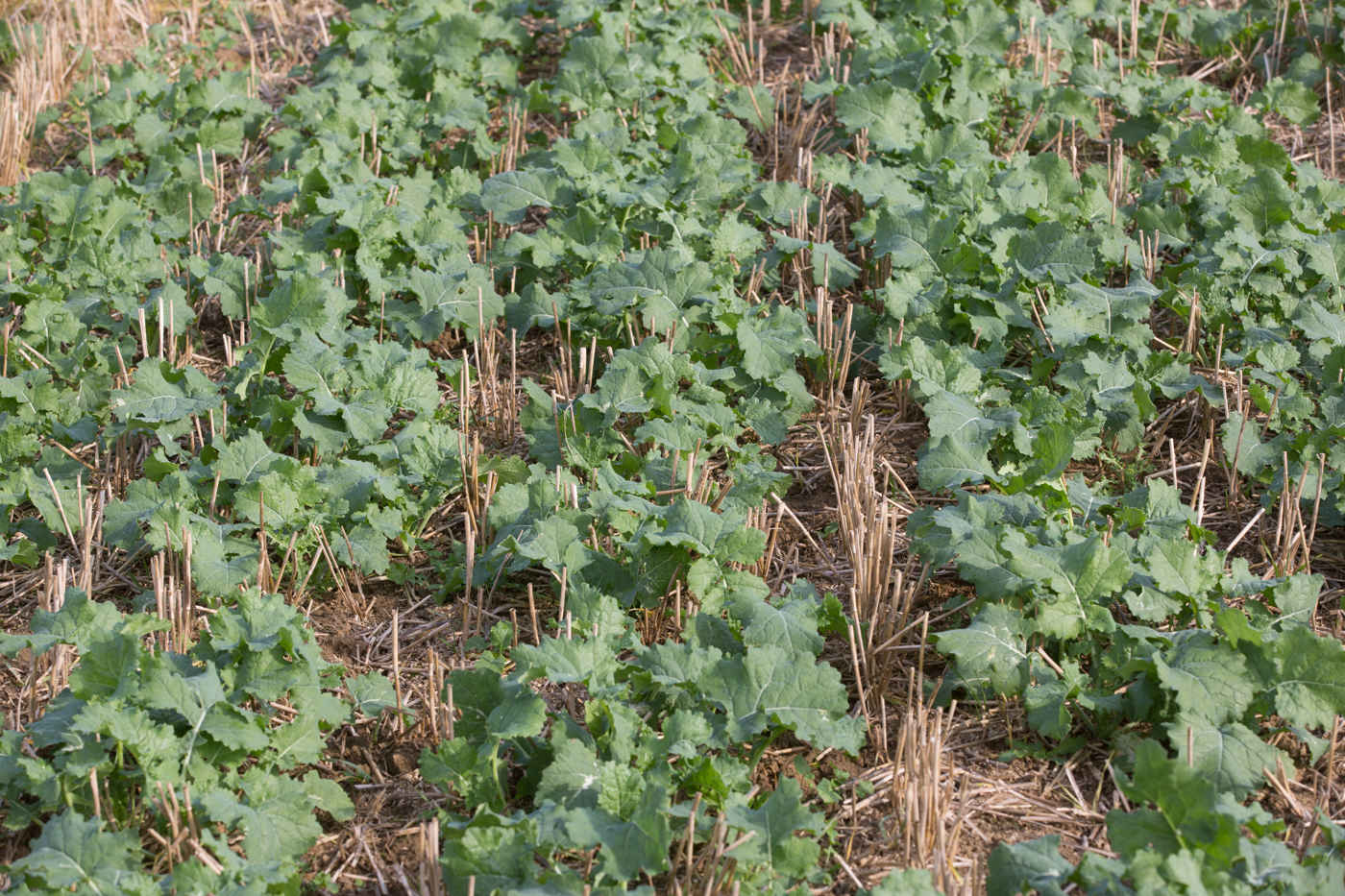
Building stronger oilseed rape canopies this autumn could help growers reduce spring nitrogen requirements, with micronutrient management playing an important role in crop establishment and nutrient use efficiency.
With a reported increase in oilseed rape (OSR) in the ground this season, Agrii is encouraging growers to monitor crop development closely through the autumn and address nutritional limitations before winter.
“Growers should be focusing on appropriate micronutrient management this autumn if they want to help build a robust crop which is capable of utilising available nitrogen efficiently,” says Dr Mark Glover, Agrii Biosolutions, Micronutrition and Adjuvants Business Manager.
That means looking beyond the major nutrients and using tissue analysis to identify potential deficiencies, with molybdenum and boron among the key micronutrients to consider.
Stronger OSR canopies could reduce spring nitrogen requirement
Crop condition going into the spring can have a significant bearing on the amount of nitrogen required to achieve target yield.
Micronutrients influence a range of plant processes, including rooting, crop development and the way nitrogen is utilised. Supporting the crop through establishment can therefore contribute to a stronger canopy by February.
Mark says the potential difference in spring nitrogen requirement can be considerable.
“For a 3.5t/ha OSR crop, a GAI of 0.5 can require around 183kg/ha of spring nitrogen, compared with about 100kg/ha where GAI is 1.5.”
At an ammonium nitrate price of around £400/t for 34.5% N, that represents a difference of more than £100/ha in fertiliser cost. The lower-GAI crop would require approximately £249/ha of nitrogen, compared with around £136/ha for a crop with a GAI of 1.5.
The figures underline the value of developing a robust canopy and root system before spring rather than relying on additional nitrogen to recover a weaker crop later.
“There is nothing worse than getting to February and trying to recover a crop rather than optimise it,” says Mark.
“A GAI of 0.5 is okay and manageable, but the cost of getting a 3.5t/ha yield from that is substantial with bagged nitrogen.”
Use tissue analysis to identify micronutrient limitations
Mark recommends taking an integrated approach to crop nutrition, starting with soil testing and supported by tissue analysis as the crop develops.
“If we don’t measure it, we can’t manage it properly,” he says.
Tissue analysis can help identify developing deficiencies that may not be obvious from soil results alone and provide an opportunity to respond before they begin to restrict crop development.
This is particularly important where the objective is to improve Nutrient Use Efficiency, as limitations elsewhere in the crop can prevent it from making full use of available nitrogen.
Molybdenum and nitrogen use efficiency in OSR
Molybdenum is one micronutrient that Mark says deserves particular attention in both autumn and spring, particularly where growers are looking to optimise the use of applied nitrogen.
Sulphur remains fundamental to nitrogen use efficiency and should not be compromised. However, sulphur applications can influence molybdenum availability within the plant, meaning soil molybdenum levels alone may not provide the complete picture.
“That comes back to tissue analysis,” says Mark.
Where low molybdenum is identified, it can often be addressed through a foliar micronutrient application.
Boron supports OSR rooting and crop development
Developing a strong root system is another important part of establishing a robust OSR crop.
Root development influences the crop's ability to explore the soil and access available water and nutrients, becoming particularly important during periods of environmental stress.
Boron has an important role in root development in oilseed rape, making autumn boron status another area worth monitoring.
However, where a boron requirement is identified, Mark says growers should also consider the formulation being applied.
Boron has relatively limited mobility within OSR because the crop produces comparatively low quantities of polyols, compounds associated with the movement of certain nutrients around the plant.
Agrii trials comparing different boron formulations found limited movement of conventional boron into younger leaves, while its PolyactivB formulation resulted in significantly more boron being detected in younger, developing tissue.
Mark explains that associating boron with polyols can help improve mobility by supporting movement through the phloem rather than leaving more of the nutrient confined to movement through the xylem.
Nutrition can also support crops under stress
Although particularly relevant later in the season, balanced nutrition also has a role in helping OSR cope with environmental stresses such as drought and heat.
Mark highlights potassium and magnesium as two nutrients to consider in this context.
Potassium is involved in water regulation, nutrient movement and plant physiological processes, while adequate magnesium is important for maintaining photosynthetic activity.
There are also concerns over low potassium carryover following last season, he adds, making K availability worth reviewing, particularly on fields where straw has been removed.
Consider nitrogen form during autumn establishment
Growers should also consider the form and timing of nitrogen applied to establishing crops, particularly where plants are already under stress.
The objective should be to support establishment without placing unnecessary additional demand on a crop that may already be dealing with poor soil conditions, pest pressure or adverse weather.
Mark advises growers to consider the wider nutritional status of the crop rather than looking at nitrogen in isolation.
The priority this autumn is therefore to understand crop condition, identify potential limitations and correct them where necessary so that OSR goes into winter with the strongest possible foundation.
A well-established crop with good rooting and an appropriate canopy going into spring is better placed to make effective use of the nutrients available to it and may require less remedial input later in the season.
Speak to your Agrii agronomist
For advice on autumn OSR nutrition, tissue analysis and micronutrient requirements, speak to your Agrii agronomist.
Join Our Community

Agrii X
We love engaging with clients and partners. Give us a follow and let's share stories for the community.

Agrii Instagram
A picture paints a thousand words. Follow us on Instagram to see what we are up to.

Agrii Facebook
Follow us on the worlds biggest social media site for the latest news and events straight to your feed.

Agrii LinkedIn
If you are all about the business, connect with us on LinkedIn to build your network
Stay In Touch

Journal Sign-Up
Receive email updates on topical news and information from around Agrii and UK Farming.

Listen To Our Podcasts
Listen to the Tramlines Podcast. Fortnightly chat about agriculture and trials with your host Tony Smith.

Agrii Insights
Read essential agri intelligence for profitable farming.

Find an Event
Join us for our upcoming events and tours.